If you're setting aside money you'll need in six months or two years — a tax bill, a down payment, a new roof — the goal isn't growth. It's making sure the money is there when you need it, earning a little something in the meantime. Two accounts come up again and again for that job: a high-yield savings account and a CD ladder. They solve different problems, and the better choice usually comes down to when you need the cash back, not which one happens to have the higher rate this week.
A high-yield savings account is exactly what it sounds like: a savings account, usually at an online bank, that pays meaningfully more interest than the branch on the corner. Your money stays liquid. You can add to it, pull from it, or move it to checking, typically with no penalty and no notice period.
A certificate of deposit works differently. You commit a lump sum for a fixed term — three months, one year, five years — and the bank pays a set rate for that period. In exchange for the rate, you give up access. Withdraw early and you owe a penalty.
A CD ladder is just a way of buying several CDs at once with staggered maturity dates instead of one big CD. The point is to capture some of the yield of longer terms while still having money come free at regular intervals.
On the same term, a CD usually pays slightly more than a savings account at the same bank. That makes sense: you're handing the bank a promise that you'll leave the money alone. But "usually" is doing real work in that sentence. The gap between a one-year CD and a competitive savings account is often small enough that liquidity is worth more than the extra yield.
The direction of rates matters too. Savings account yields are variable; they move with the broader rate environment. CD rates are fixed the moment you buy. If rates are climbing, a savings account lets you capture the increases as they come. If rates are falling, a CD locks in today's rate for the whole term — that's when laddering tends to look smart.
Laddering is not a magic yield booster. If a one-year CD pays more than a six-month CD, a ladder split between the two will earn slightly less than dumping everything into the one-year. You accept that trade in exchange for access every six months. When the yield curve is flat, the difference is negligible and the ladder is mostly about structure and discipline.
Here's the test that settles most of these decisions: could you need this money within a week, without warning? If the answer is yes, it belongs in a savings account. Transfers between an online savings account and your checking account generally land the next business day, sometimes the same day. No penalty, no phone call, no paperwork.
CDs are built for money you can genuinely leave alone. If you break one early, the bank charges a penalty, usually calculated as a set number of months of interest. In the first few months of a term, when the CD hasn't earned much yet, that penalty can eat into your principal. Terms vary widely, so the penalty formula matters as much as the rate when you're comparing offers.
This is why an emergency fund should not live in a CD, and certainly not in a ladder of them. Keep three to six months of expenses somewhere you can reach in a day. Ladder the money sitting above that cushion.
Using the example above: the $6,000 CD maturing in six months comes due. You don't need it, so you buy an 18-month CD with that money. Now your rungs mature at 12, 18, and 24 months — and you still have something coming free every six months, indefinitely, without ever locking up the whole balance at once.
Your timeline is fuzzy, your income varies, or you're building the emergency fund itself. Also if rates are rising and you'd rather not commit. Simplicity has value, and a savings account you actually fund beats a ladder you forget to manage.
You have a known expense a year or two out, the money is genuinely spare, and locking in a fixed rate helps you stop checking rates every week. A ladder also works well for people who would otherwise spend the money.
Plenty of savers do both: a savings account holding a month or two of expenses, and a short ladder behind it for money earmarked for a specific future bill. That hybrid covers the surprise without leaving the rest of your cash earning nothing.
Pick based on access first, rate second. If you might need the money on short notice, a high-yield savings account is the answer, and the convenience is worth the small yield give-up. If the money is truly committed to a future date, a ladder of short CDs will usually pay a bit more and keep a slice of your cash maturing regularly.
Before you buy anything, write down the maturity date, the penalty, and the grace period for each CD. Those three details determine whether the account helps you or traps you.
This is general information, not personalized financial advice. If your savings are tied up with taxes, a business, or an estate, a fee-only financial planner or tax professional can help you sort out the right timeline.
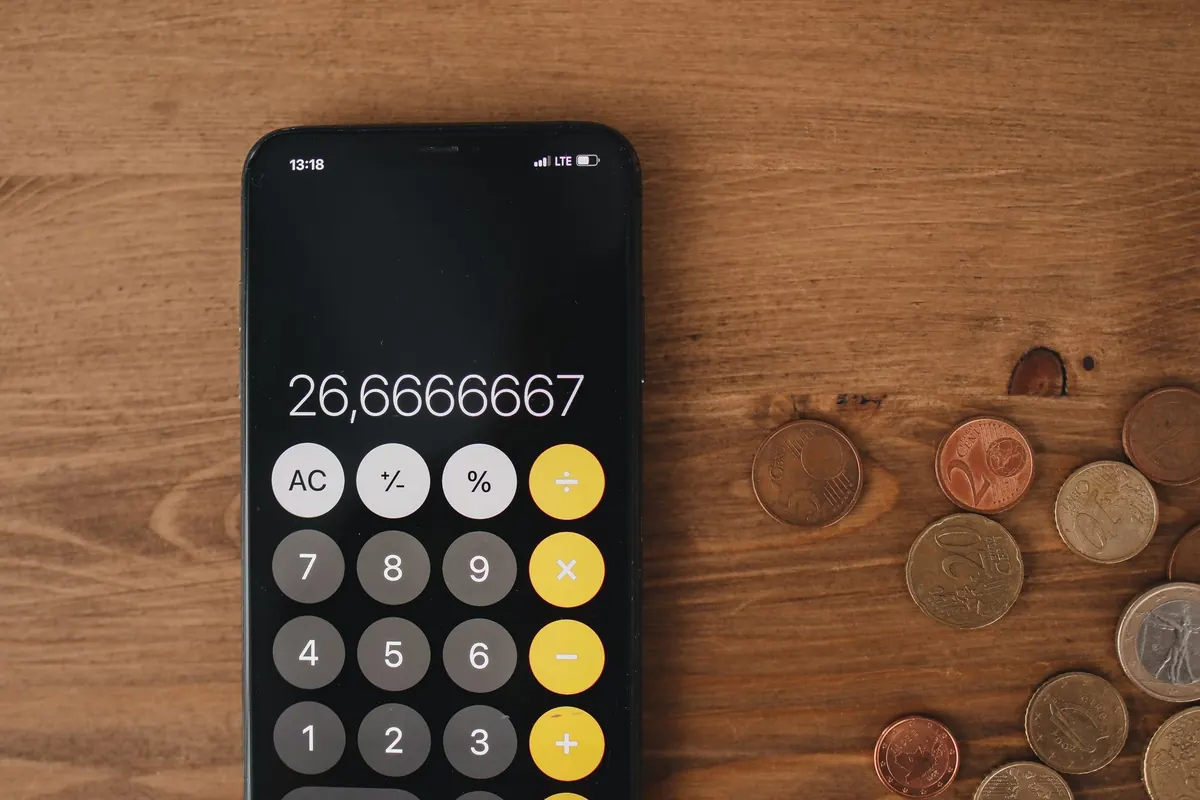
Photo: Polina Tankilevitch / Pexels

Compare the new city's real monthly costs and moving bills before you sign a lease, then build a budget that...

A practical holiday spending plan: set a realistic total, write a capped gift list, fund it with a sinking fund, and...

A decade-by-decade retirement checklist for your 30s and 40s, covering savings benchmarks, debt payoff order,...


Personal finance served fresh from the teapot.
